You know that moment when you’re ready to pay, transfer, or sign up, and then the app hits you with an identity check? A friend of mine tried to send money to a family member last year, and the payment stalled right in the middle of setup. The app asked for ID, then asked for a quick selfie. After a few minutes, it worked, but only because something invisible kept fraudsters out.
That invisible layer is KYC in online payments and fintech. It stands for “Know Your Customer,” and it helps payment providers confirm who’s behind an account. In 2026, KYC matters more because fraud is moving faster, scams look more real, and online money flows across more apps than ever.
Most people never see the full KYC process. Still, it shapes how quickly you can onboard, how safe transfers feel, and how confidently companies can approve payments. In this guide, you’ll learn what KYC really means, how it connects to AML rules, how modern KYC checks work step by step, real examples from major fintechs, and the main wins and growing pains. Then we’ll look at what’s next for smarter, less annoying identity checks.
What KYC Really Means and Why Fintech Can’t Skip It
KYC is Know Your Customer. It’s the set of checks fintechs use to verify a person or business. The goal is simple: stop criminals from using fake identities to move money, launder funds, or run fraud at scale.
Think of KYC like the “door policy” at a busy club. You don’t need to stop everyone forever. You just need a solid way to confirm who’s allowed inside, so the venue does not become a cover for crime.
In practice, KYC usually covers two things:
- Identity verification: confirming your name, date of birth, and who you are.
- Risk checks: looking for signs that your account might be tied to fraud or suspicious activity.
Fintech companies need KYC because online payments create easy attack paths. If someone can open an account with a fake ID, they can push stolen money through transfers, refunds, chargebacks, or payout flows. That’s why KYC shows up in digital wallets, remittance apps, lending, and payment platforms.
Regulators keep pushing these expectations worldwide. In the US and abroad, the compliance goal is the same: reduce financial crime by tying accounts to real identities and watching for suspicious behavior over time. For a practical refresher on what KYC checks usually include, see KYC Verification Basics And Process | Certa.
KYC in fintech doesn’t have to be slow. Modern tools aim to complete verification in minutes. However, speed is only half the story. Providers also need proof they ran checks, so they can answer audits and regulator questions.
KYC’s Close Partner: Anti-Money Laundering Rules
KYC and AML go together. AML is about spotting and stopping money laundering and other illicit flows. KYC helps AML teams connect activity to real customers. Without KYC, AML monitoring becomes guesswork.
In 2026, companies commonly follow global and regional frameworks. Here are some of the biggest ones shaping KYC in fintech and online payments:
| Regulation or standard | KYC focus | Why it affects payments |
|---|---|---|
| FATF standards | Global AML expectations, including travel rule concepts | Drives cross-border info sharing so transfers aren’t “blind” |
| EU AMLR | Risk-based KYC with stronger digital onboarding | Pushes more consistent identity checks across EU markets |
| eIDAS 2.0 | Trusted digital IDs and cross-border verification options | Helps reduce repeat checks, supports stronger auth |
| GDPR | Privacy and data protection requirements | Limits how providers store and use personal data |
Even when rules differ by region, the direction is clear. Providers are expected to keep checking customers, not just verify once during signup. That “always-on” model is called perpetual KYC, and it helps catch account takeovers or changes in customer risk after onboarding.
Step by Step: How KYC Secures Your Online Payments
Most people meet KYC during signup. That’s when your payment provider needs to verify you before it lets you send money, buy goods, or receive payouts. Here’s the typical flow you can expect from modern fintechs.
First, you submit identity details. That might be an ID upload, a document scan, or a guided capture. Next, the system checks whether the document looks real and readable. It also verifies key fields, like your name and date of birth, against the image.
Then comes a “are you really you?” check. Many providers ask for a selfie or live video. These checks often include liveness detection to reduce bypass attempts with static images.
After that, the platform runs risk checks. It may compare your details to watchlists, assess your device and login behavior, and review patterns associated with fraud. Finally, it ties verification results to payment actions. If verification fails or risk looks high, the app may block the payment, limit transfers, or ask for more review.
Modern KYC systems also focus on speed. Recent adoption trends show AI can reduce onboarding time, often bringing checks down to under 8 minutes in many setups. Providers also run real-time transaction flags. That means if something looks off during a transfer, the system can react fast, even after you’ve been verified.
In 2026, you’ll also see more video KYC, which uses short guided captures instead of one frame. In addition, device signals (like how the app is being used) often feed into risk scoring. So the check isn’t only “who are you?” It’s also “how does this session look?”
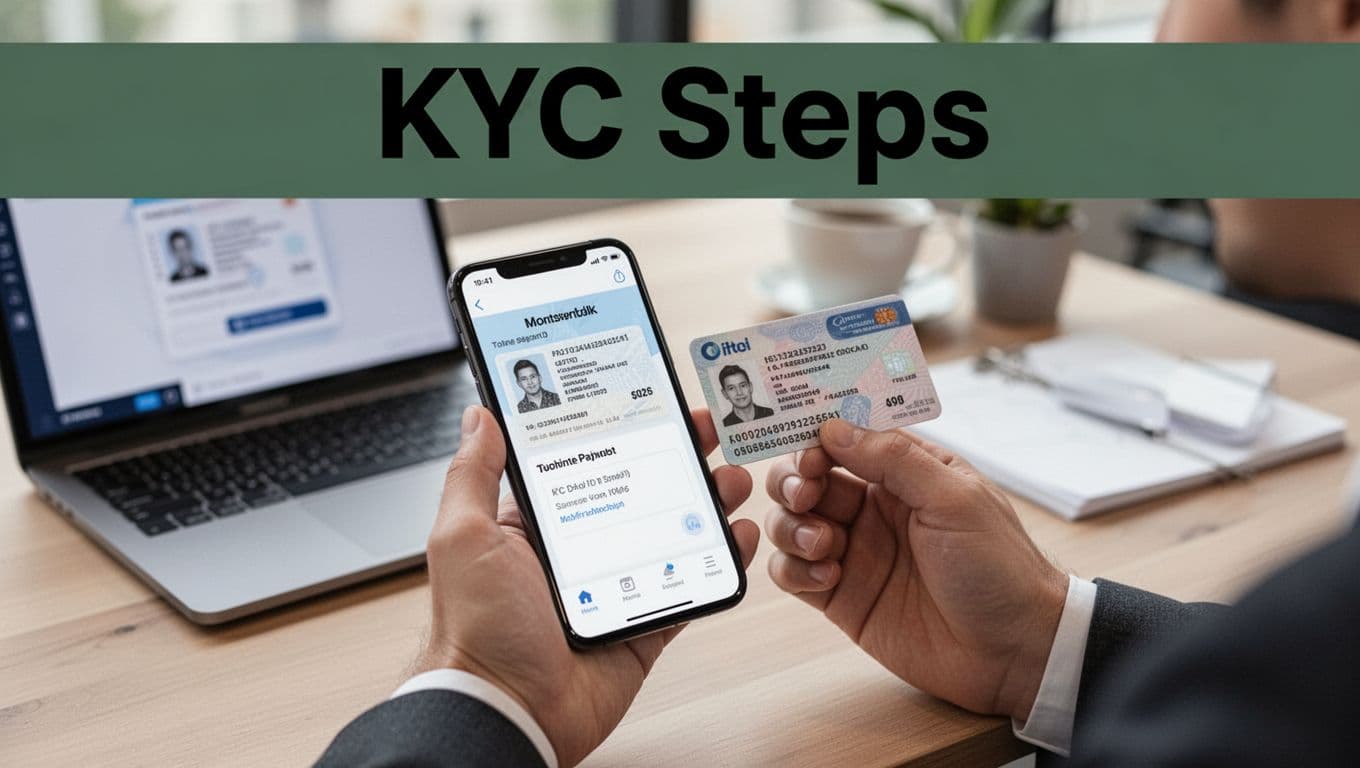
Biometrics and AI Making Checks Faster and Smarter
Biometrics are a major reason KYC works at online speed. Facial recognition and 3D scans help confirm identity without manual review for every user.
However, biometrics alone aren’t enough. Fraudsters can use deepfakes and AI-generated media to mimic real faces. That’s why liveness checks matter. Many providers use prompts like blinking or subtle movement during a selfie capture.
AI helps in two ways. First, it improves matching accuracy. Second, it helps manage risk scoring so the system can approve low-risk users quickly while sending higher-risk cases to manual review.
Recent adoption trends suggest:
- Many banks and fintech apps now use digital KYC methods.
- Liveness checks are common, with tools supporting large portions of online ID verification.
- AI use in KYC and AML has grown sharply, with many firms relying on it for automation.
One practical takeaway: if your onboarding felt faster this year, it’s likely because providers improved matching and reduced human handoffs.
Deepfake risk is still a problem. The number of deepfake files created rose from about 500,000 in 2023 to 8 million in 2025. Fraud attempts using deepfakes also jumped dramatically over the past three years. Detection remains hard, so KYC teams keep adding layers and updating their models.
So, when you see KYC asking for a selfie plus liveness, it’s not busywork. It’s a direct response to new fraud tools.
Real Examples: PayPal, Stripe, and Revolut Putting KYC to Work
Big payment brands use KYC in ways that look invisible to customers, but you can still spot the patterns. Typically, you complete identity checks during account setup, then the provider links verification results to specific actions like buying, payouts, or transfers.
Here’s how three well-known companies fit KYC into their payment experiences.
At a high level, you can split the work into two views:
- User view: the app requests ID, selfie, or a quick capture.
- Backend view: the provider validates documents, runs biometrics, and applies risk rules.
That backend view gets updated as fraud tactics change.
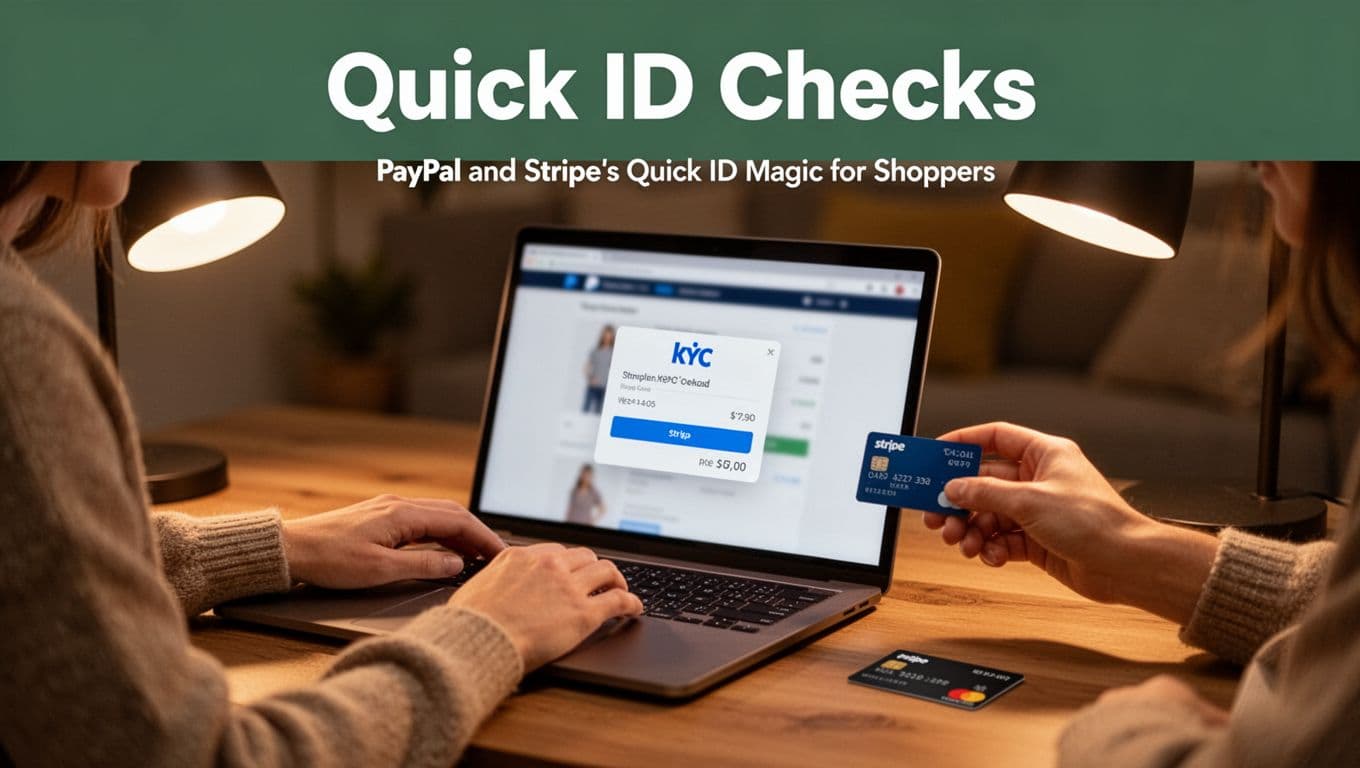
PayPal and Stripe’s Quick ID Magic for Shoppers
For shoppers, the goal is quick access to payments. eKYC tools help providers verify identity remotely during signup and checkout flows.
In Stripe’s ecosystem, verification requirements can change by region and product use case. Stripe also publishes updates that affect how verification works for customers. If you want a sense of how these updates show up in real workflows, check 2026 updates to verification requirements in Europe.
When you notice a verification prompt, it usually means the system needs more proof before it can safely allow the next payment action. That keeps the process aligned with risk and compliance expectations, without asking everyone to go through the same heavy review.
Revolut’s Ongoing Watches for Safe Banking
Revolut’s approach highlights how KYC can extend beyond signup. Many fintechs rely on pKYC triggers, meaning additional checks can run when behavior changes.
Examples include:
- unusual login locations
- new payout patterns
- sudden shifts in account usage
So even if you verified once, the provider can still request more evidence if risk rises. This helps reduce losses from account takeovers and identity misuse.
Wins and Growing Pains of KYC in Fintech World
KYC creates real benefits. It can reduce fraud, improve trust, and support safer payment networks. It also helps providers manage compliance costs by using automation and better case routing.
At the same time, KYC brings friction. Deepfake attacks, uneven data quality, and complex global rules can make it harder, not easier.
Here’s the balance fintech teams keep trying to hit: make verification strong, but don’t make it annoying.
Big Wins That Make KYC Worth the Effort
KYC programs often deliver measurable wins:
- Fraud reduction: biometrics and liveness checks can cut fraud significantly in some setups.
- Higher approval rates: AI-driven checks can reduce false alerts, which means fewer users get blocked by mistake.
- Faster onboarding: AI and automated matching help reduce drop-offs. Some reports point to onboarding drop-offs falling by 63% after better verification workflows.
- Lower compliance costs: perpetual checks and automation can reduce review costs, with some estimates in the 60% to 80% range.
Also, fraud is expensive. In 2026, eCommerce fraud costs to merchants are projected to be massive, including big losses tied to digital goods. With payments fraud affecting many businesses, KYC becomes a practical risk-control step, not just a legal checkbox.
Tough Spots and How Teams Are Fixing Them
The toughest challenge is that attackers adapt quickly.
Deepfakes are a top example. Fraud attempts using deepfakes have climbed more than 2,000% over three years. Detection still struggles with high-quality synthetic media, and liveness checks can be bypassed when models fall behind.
Other pain points show up in the real world:
- Legacy systems: some providers still run older verification stacks.
- Data bias: models may treat some groups differently if training data is uneven.
- Rule mismatches: KYC requirements vary across countries.
- Costs for smaller firms: compliance can get expensive when volume rises.
Teams fix these issues by updating models, adding layered checks, and improving human review for edge cases. In addition, better auditing and explainability help compliance teams prove what happened during verification.
The best KYC systems don’t just block fraud. They also cut the number of good customers who get stuck in “manual review” loops.
KYC’s Future: Smarter Tech and Better Payments Ahead
KYC keeps evolving. By 2026 and beyond, expect more event-driven checks, more automation, and more focus on reducing repeat verification.
One big trend is agentic AI for identity workflows. Instead of humans reviewing every case, AI agents can pre-check risk signals and route only the uncertain cases. That helps keep onboarding quick when risk is low.
Another trend is perpetual KYC becoming the default. Providers will run checks not only when you sign up, but also when your behavior or account context changes.
You’ll also see more interest in decentralized identity and verifiable credentials. Instead of storing everything in one provider’s database, users may hold cryptographically signed proofs in a wallet. That could reduce how often providers ask you to upload the same documents again.
For a deeper look at verifiable credentials and decentralized identity, see Decentralized Identity and Verifiable Credentials – The Enterprise Playbook 2026.

As regulations tighten around audits, privacy, and risk fairness, fintechs will keep refining how they collect data and how they explain verification decisions. The end goal stays the same: safer payments, fewer scams, and less time wasted on identity checks.
Conclusion
That stalled payment moment your friend faced was annoying, but it also did its job. KYC in online payments and fintech helps confirm identity, reduce fraud, and support AML efforts after onboarding. When KYC uses document checks, liveness tests, and AI risk signals, approvals can stay fast.
Still, KYC has growing pains, especially with deepfakes and uneven global rules. The smartest providers respond by adding layers, updating models, and moving toward smarter identity proofs.
Next time an app asks for your ID or selfie, remember the purpose behind it. If you’ve run into smooth verification or painful delays, share your experience, then keep an eye on how KYC evolves.